Why technology is now essential in trade show booth design
The trade show environment has changed dramatically over the past decade. It is no longer enough to simply show up with a printed banner and a stack of brochures. Today, trade show booths must work harder than ever to capture attention, engage visitors, and leave a lasting impression. One of the most effective ways to achieve this is by integrating modern technology into booth design.
Technologies like large-format LED walls, interactive multimedia stations and immersive virtual reality (VR) experiences are reshaping what it means to “exhibit.” These tools not only enhance visual impact but also provide opportunities for real-time interaction, storytelling, and data capture. In a crowded exhibition hall, the ability to stand out – both visually and experientially – is a decisive competitive edge.
What are the most impactful technologies used in trade show booths today?
LED displays and digital walls
LED technology has become one of the most dominant forces in contemporary booth design. Brands use LED walls to display high-resolution video content, motion graphics, animations, live social media feeds, or synchronized presentations. Unlike static visuals, LED content can be updated in real time. It allows for flexibility and responsiveness during the event. You can highlight different products throughout the day or tailor messaging to specific visitor segments. The brightness, scale and movement of LED screens are highly effective in drawing attention. Whether mounted on walls, used as backdrops, or wrapped around curved structures, LED elements offer both visual appeal and strategic communication power.
Interactive multimedia installations
Touchscreens, tablets, and kiosks are now standard features in booths across industries. They allow visitors to actively engage with your brand rather than passively consume information. Through interactive stations, brands can present their product catalogues, offer configurators where users build their own product variants, run explainer videos, or gamify the experience with quizzes and challenges. What matters most is that the visitor controls the pace of the experience. This not only boosts retention but also improves lead qualification by segmenting engagement data according to specific interests.
Virtual reality (VR) and augmented reality (AR)
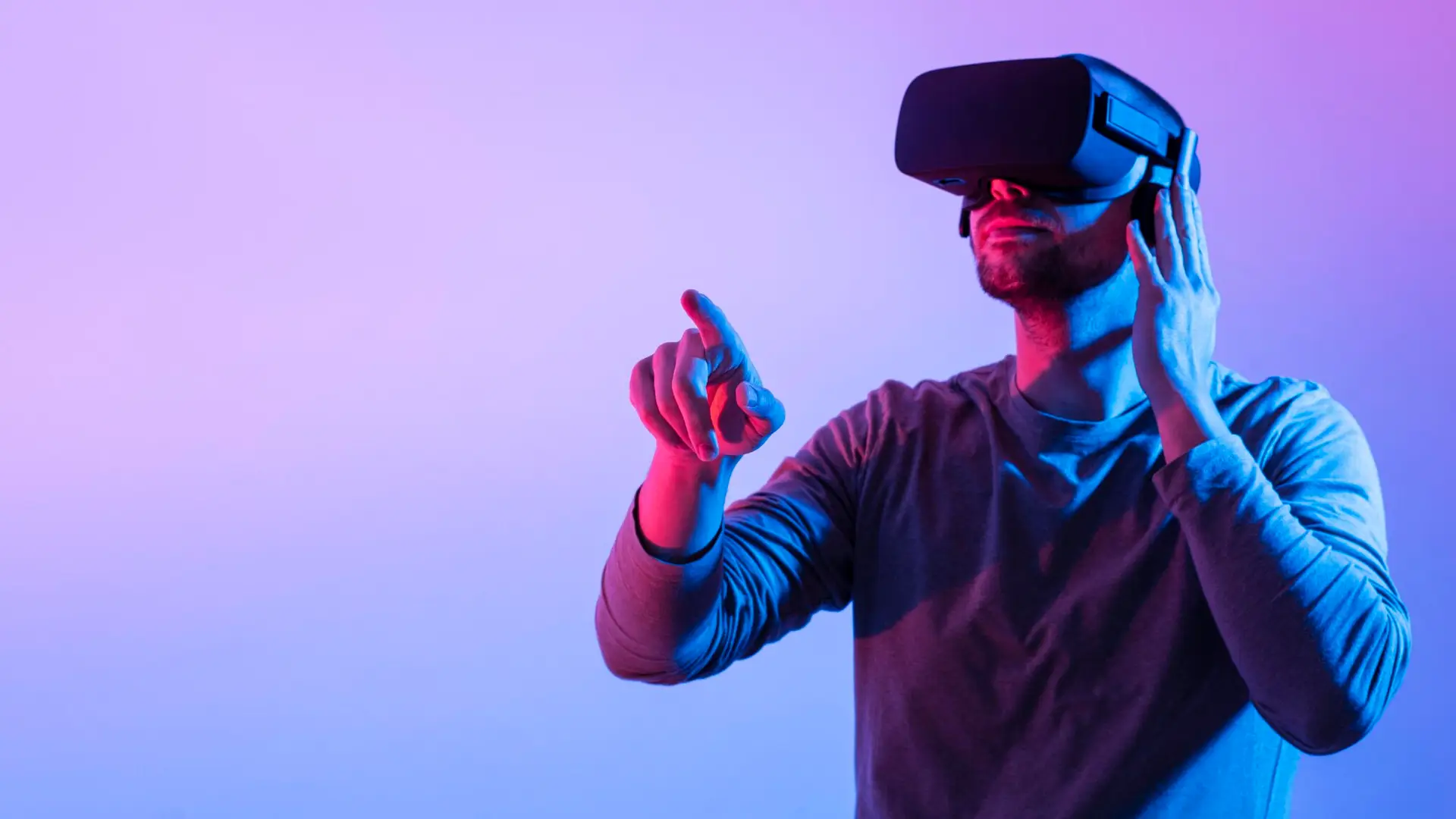
Virtual and augmented reality are no longer experimental; they are mainstream. VR is ideal for industries where physical products are too large, expensive, or complex to transport. With a headset, your visitors can walk through a digital version of your factory, showroom, or even explore entire architectural projects. Augmented reality, often used on tablets or smartphones, overlays digital content onto real-world objects. You can, for example, point a tablet at a product and see internal mechanisms, customizations, or animated explanations. These immersive formats deliver emotional impact. They simulate real-world use and give visitors a strong, sensory-based memory of your offering and one that lasts far beyond the event.
Smart badge technology and RFID
Many leading trade fairs now integrate RFID tags or smart badges that track visitor movement across the exhibition. This data, when paired with booth technology, allows for automatic content adaptation and post-event analysis. For example, RFID can trigger content on screens as someone approaches, personalize welcome messages, or track which sections of your booth had the highest dwell time. These insights can inform not only your event strategy but also future product presentations and sales follow-ups.
Projection mapping
Projection mapping turns any booth surface into a canvas. With high-powered projectors, designers can create animated effects, simulate textures, or even make walls “come to life” with light. Unlike LED screens, projection does not require physical hardware installation – only a flat surface. It is ideal for artistic installations, minimalistic booths, or brands that want to evoke atmosphere more than broadcast information. It is also a highly effective tool for timed presentations or theatrical product launches during the show.
How does technology enhance visitor engagement?
Trade show visitors are bombarded with visual and verbal messaging. To break through this noise, your booth must not only stand out – it must invite action. Modern technology enables you to move beyond one-way communication. Instead of simply presenting information, your booth becomes a living environment where visitors can explore, ask, touch, try, watch, and share. LED screens pull visitors in from across the hall. Interactive tablets give them agency. VR experiences captivate them with immersion. RFID tools respond to their behavior in real time. Every touchpoint can be measured, optimized, and transformed into qualified leads. This is not about being flashy. It is about being remembered.
Is high-tech booth design only for large budgets?
Not necessarily. While large-scale LED walls and VR installations can be expensive, there are many entry-level solutions that still deliver impact. Renting equipment, for example, reduces cost while providing flexibility. Using off-the-shelf tablets or affordable WebAR experiences can substitute for more complex builds. Even a simple 360-degree video viewed through an inexpensive headset can feel impressive if the content is strong. The key is not how much tech you use but how well you use it. Thoughtful integration of one or two modern elements can outperform a disorganized, over-equipped booth.
What are the top technology trends in trade show design for 2025?
The evolution of booth technology continues to accelerate. Here are some of the most relevant trends shaping the next generation of exhibits:
Artificial intelligence: AI-powered assistants and chatbots are becoming more common in booths, able to answer questions, recommend products, or capture leads autonomously.
Hybrid experiences: As virtual events become more mainstream, many booths are designed to serve both physical and online visitors through dual platforms and streaming capabilities.
Mobile-first integration: Smartphones are increasingly part of the booth experience, used for scanning, interacting with content, or controlling what is displayed.
Neuroscience in design: Booths are beginning to use scientific insights into color, sound, and lighting to influence attention and emotion more deliberately.
Sustainable tech: Reusable displays, low-energy equipment and modular builds align with growing demands for sustainable event participation.
How to choose the right technology for your booth
Start with purpose. What do you want the technology to accomplish – attract more visitors, explain complex products, make a bold branding statement, or improve data capture? Then evaluate your space, your audience, and your team’s ability to operate the system on-site. Do not overload the booth with technology for technology’s sake. Integration is everything. The best trade show technology is invisible. It feels intuitive, natural, and aligned with your message.
Real examples of technology-powered trade show booths
One of our clients, a luxury automotive brand, used a custom LED wall to display their factory assembly line in high resolution. Paired with directional sound, it created a cinematic experience that left visitors asking questionsand booking test drives. Another client in the real estate sector offered VR apartment tours at a London expo. Instead of flipping through floor plans, visitors experienced the interiors firsthand, which significantly improved their emotional connection with the properties. A third example involved a touch-based product configurator for a bicycle brand. Visitors designed their ideal bike on a touchscreen, chose components, and printed out specs. Over two days, the company collected more than 500 qualified leads.
Final thoughts
Modern technologies in trade show booths are not about adding more screens or gadgets. They are about creating meaningful connections between people and brands. By embracing LED, multimedia, VR, and smart systems, your booth becomes more than a space it becomes an experience. It informs, it engages, it converts. And most importantly, it makes sure that when visitors leave the fair, your brand is the one they remember.